30+
professionals
100+
success projects
1 week
trial offer
Clutch rating

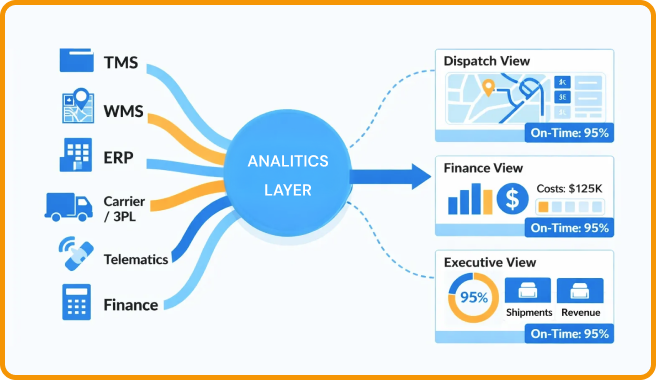
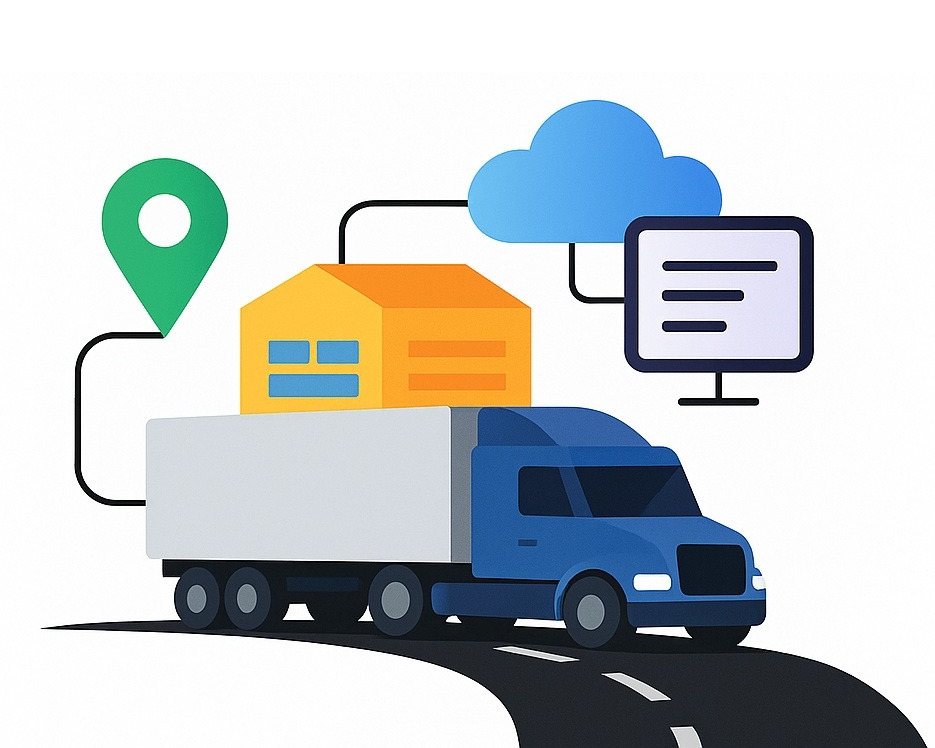
TwinCore builds logistics analytics and BI solutions that turn data from your TMS, WMS, ERP, carriers/3PLs, telematics, and finance into a single operating model, with role-based dashboards and reliable reporting that teams can actually use to run the business.

This is built for one practical outcome: faster answers to operational and financial questions, consistent definitions across teams, and analytics that stays stable when systems, partners, and volumes change.

Сontact us

When Logistics Analytics Becomes Slow, Inconsistent, and Ignored

Most logistics teams do not suffer from a lack of data. They suffer from a lack of alignment.

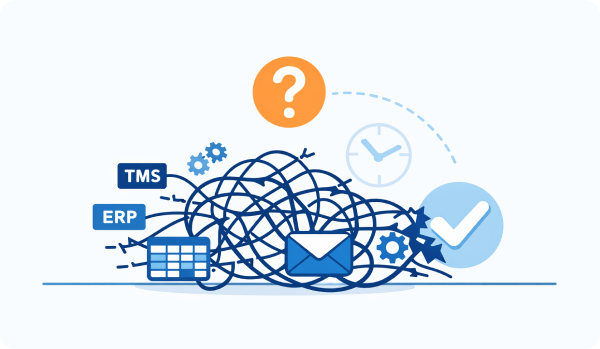
Reports take too long to prepare, and the numbers do not match across teams. Dashboards exist, but people do not trust them. “Why did the cost increase?” or “Why did service drop?” turns into a manual investigation across multiple systems, spreadsheets, and email threads.

Over time, the symptoms become predictable: definitions drift, data quality issues spread, and every serious question requires a custom export and a reconciliation exercise.

What Good Logistics BI Looks Like in Daily Operations

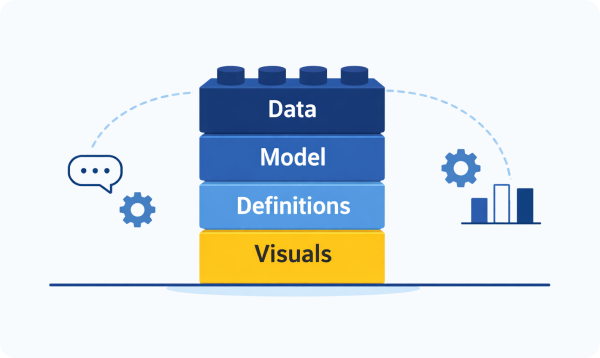
Logistics BI is not a set of charts. It is a management layer built on four elements: integrated data, a consistent model, shared metric definitions, and visualization that supports daily decisions.

A good setup makes it easy to answer the questions that actually matter in operations and finance: what changed, where it happened, who it affects, what caused it, and what should happen next.

The Core BI Foundation We Build for Logistics Teams

Data Integration Across TMS, WMS, ERP, Carriers, and Finance

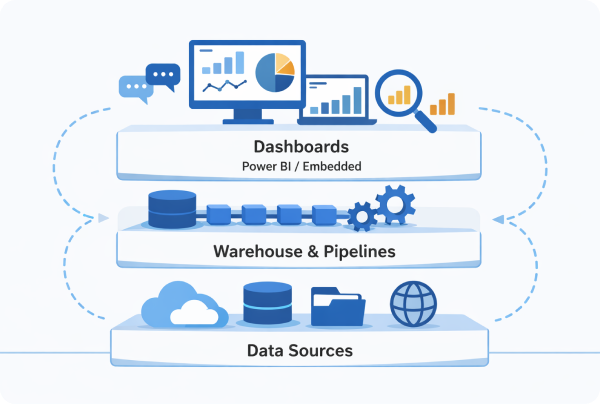
We connect the sources that define daily logistics reality: TMS/WMS/ERP, carriers and 3PLs, telematics, and finance. We normalize formats and build stable pipelines so analytics does not break every time a source changes.

A Warehouse/Lakehouse Built Around Shipment and Cost Reality

We build an analytics storage layer that supports the relationships logistics teams need to drill into details: order → shipment → stops/milestones → carrier → invoices and accessories. This makes analysis traceable and defensible instead of “best effort.”

A Semantic Layer That Locks KPI Definitions Across Teams

Most analytics problems start when the same metric means different things to different teams. “On-time,” “delivered,” and “cost per shipment” must have one definition across Ops and Finance.

We formalize metrics, formulas, and counting rules so dashboards stay consistent and self-service does not create five competing versions of the truth.

Role-Based Dashboards Built Around “What Changed and Why?”

Dashboards are designed around how people work: what changed, where the issue is, how to filter, and how to drill down to root causes and supporting detail. Ops, Finance, and Management see different views, but built on the same data model.

In practice, logistics dashboards need real-time visibility and alerting for operational deviations, not only monthly summaries.

Scheduled Reporting That Doesn’t Depend on Manual Excel Work

We set up scheduled reporting in formats teams actually use (PDF/CSV/Excel) with templates and predictable delivery, suitable for leadership and internal reviews, and stable enough to audit.

The dashboard families we typically deliver

These categories align with common search intent (Logistics Analytics Software, Transportation BI, Supply Chain Dashboards) and with how teams naturally split questions.

Transportation BI for Execution, Delays, and Carrier Reliability

A transportation view focused on execution: shipment progress, problem lanes, carrier performance comparisons, delay reasons, and reliability trends by direction and customer.

This is the “what broke today and where” layer, with the ability to drill into shipments, milestones, and exception patterns.

Logistics cost analytics and margin transparency

A cost view that makes accessorials, surcharges, invoice variance, and margin leakage visible in a way Finance can trust and Ops can act on.

This is where teams finally stop arguing about totals and start seeing which customers, lanes, carriers, or service patterns consistently create cost risk.

Supply chain dashboards beyond transportation

When the problem is wider than TMS, we connect transportation with warehouse and inventory signals to show end-to-end impact on availability and order fulfillment.

This is typically where leadership wants one stable picture instead of “transport says one thing, warehouse says another.”

Power BI or custom embedded analytics

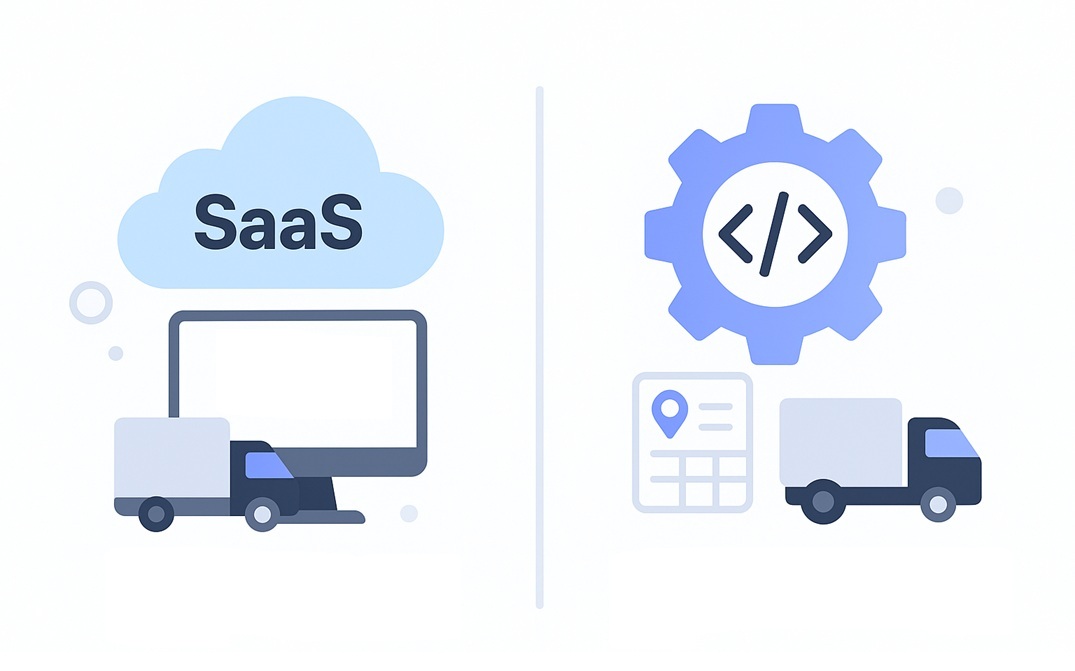
We support two valid paths, depending on how analytics is used and who needs access.

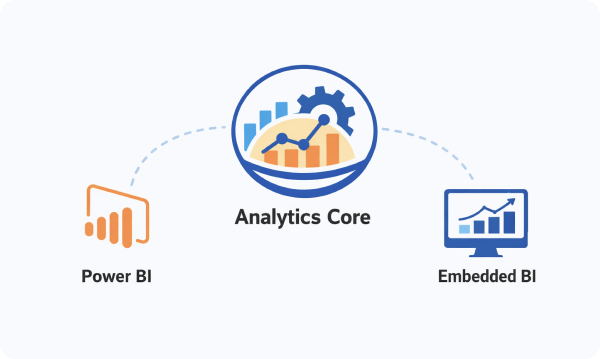
If you want a familiar ecosystem and fast adoption, we deliver dashboards in Power BI. If you need analytics embedded inside your workflow systems or portals, with more controlled roles, client access patterns, or multi-tenant requirements, we build embedded/custom BI as part of your product experience.

Embedded analytics, by definition, is analytics placed directly inside applications or portals rather than living as a separate BI destination.

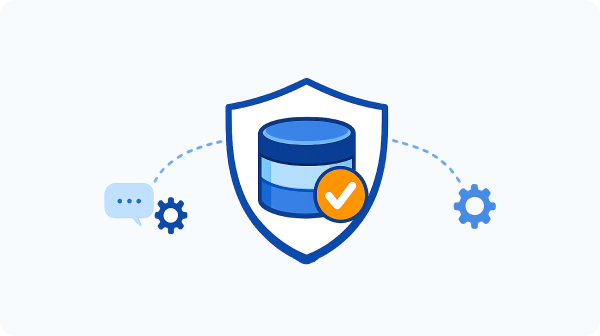
Data Quality and Governance That Keeps BI Trustworthy

Dashboards do not survive on visualization alone. They survive on managed data.

We implement normalization, deduplication, consistent status language, and controls around source changes so teams can trust the outputs and changes do not silently break reporting.

Phased Implementation That Reduces Risk and Proves Value Early

We deliver this in phases: first a reliable data foundation, then MVP dashboards, then reporting and expansion across teams or regions.

A typical rollout looks like this:

1
We start
We start from business questions and identify which sources answer them.
2
We align
We align metric definitions across Ops and Finance.
3
We build
We build the warehouse/lakehouse and pipelines.
4
We ship
We ship an MVP dashboard set (Ops + Finance) and validate it in real use.
5
We expand
We expand coverage, add reporting schedules, and scale to additional teams.

Why TwinCore takes this approach

Logistics analytics becomes valuable when it produces consistent answers under real operating pressure: different systems, different partners, changing volumes, and a continuous stream of exceptions.

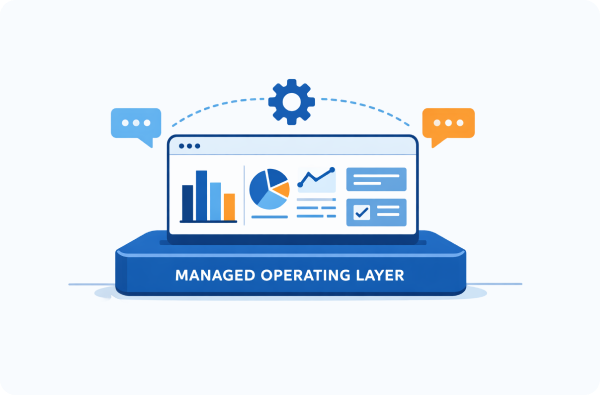
TwinCore builds BI as a managed operating layer, not as a visualization layer. Data integration, a stable model, shared metric definitions, access control, and post-release support are treated as first-class parts of the solution, because that is what determines whether the dashboards remain usable six months later.

Technology foundation

We implement the data warehouse/lakehouse and ETL/ELT pipelines that fit your stack, then deliver dashboards in Power BI or embed analytics into your systems where workflow integration matters. Monitoring, logging, and access control are included so the platform stays supportable.

Deployment can be cloud or on-prem, depending on operational and security constraints.

Related logistics services


Use BI on top of a control layer where exceptions and ownership are structured.

Connect pricing and margin logic to analytics without manual reconciliation.

Tie delivery execution outcomes to operational and financial dashboards.

Engagement models

Fixed Price

Fixed Price works best for well-defined scope and clear delivery milestones.

Time & Material

Time & Material fits discovery-heavy work where requirements evolve after data validation.

Dedicated Team

Dedicated Team is the right model when analytics becomes an ongoing capability and needs continuous expansion and support.

What our clients say about us

  • TwinCore has elevated the client's customers to the next level of supply chain management. The team is highly cost-efficient from a project management standpoint, and internal stakeholders are particularly impressed with the service provider's team dynamic.

    Alex Lopatkin
    Alex Lopatkin
    Amous
  • TwinCore delivered a fully functional solution on time, meeting expectations. The highly organized team employed a DevOps approach, swiftly responded to needs and concerns, and led a productive, enjoyable workflow. Their receptiveness to client requests and feedback stood out.

    Bruno Maurer
    Bruno Maurer
    Managin Director, N-tree
  • Thanks to TwinCore’s work, the client has gained a user-friendly, stable, and scalable SaaS platform. The team manages the engagement well by being reliable and punctual; they deliver tasks on time. Their resources are also highly flexible, resulting in a truly seamless engagement with the client.

    Mischa Herbrand
    Mischa Herbrand
    Executive, CIN
  • TwinCore successfully audited the apps and converted them into modern web apps, meeting expectations. They completed the project on time and within the agreed budget. Communicating through virtual meetings, the team provided updates and responded to the client's concerns.

    JH
    Joe Holme
    IT Director, GDD Associates
  • TwinCore delivered a fully functional solution on time, meeting expectations. The highly organized team employed a DevOps approach, swiftly responded to needs and concerns, and led a productive, enjoyable workflow. Their receptiveness to client requests and feedback stood out.

    A
    Anonymous
    Managing Director, Marketing Company

Related Topics

Frequently Asked Questions


Can we start with a single track such as Transportation BI or Cost Analytics?

Yes. Many implementations begin with one high-impact area. Transportation BI is often chosen when teams need faster operational visibility and exception patterns. Cost analytics is a common starting point when margin control, invoice variance, and accessorial spend are the priority. The solution is structured so the initial scope can expand without redoing the foundation.


Which systems should we connect first: TMS or finance/ERP?

It depends on the questions you need answered first. If operational visibility and service reliability are the priority, TMS is typically the first source because it defines execution, milestones, and carrier performance. If margin transparency and billing accuracy are the priority, finance/ERP and invoicing data need to be included early. In many cases, we connect a minimal set from both sides to avoid building dashboards that look correct but cannot be reconciled financially.


How do you align metric definitions between Operations and Finance?

We treat metric alignment as part of the build, not as a documentation exercise. Definitions are agreed through working sessions using real examples: which events count, when a shipment is considered “on time,” how cost is allocated, and how exceptions are handled. These definitions are implemented in a shared semantic layer and validated against historical periods so both teams can reconcile outcomes and trust the numbers.


Can we start with Power BI now and move to embedded BI later?

Yes. Power BI is a common first step when speed of adoption matters and teams want a familiar environment. When analytics needs to live inside operational tools or client portals, the same underlying model and pipelines can support embedded BI. The key is designing the warehouse and metric layer so the visualization layer can change without rebuilding the foundation.


How do you ensure data quality and control changes in source systems?

We implement validation checks, monitoring, and controlled transformations in the pipelines. Data quality rules detect missing feeds, schema changes, duplicates, and unexpected value patterns. When source systems change, the pipeline behavior is observable and failures are surfaced early. We also version critical transformations and metric logic so changes can be reviewed and rolled out in a controlled way.


Where is the solution hosted: cloud or on-prem?

Both models are supported. The choice depends on security requirements, data residency, and how your source systems are hosted. The architecture is designed so cloud or on-prem deployment does not limit pipeline reliability, access control, or reporting.


What does post-release support look like for pipelines and reporting?

Support includes ongoing monitoring, incident response for data failures, and controlled updates as sources evolve. This covers pipeline health, scheduled reporting, access control, and changes to metric logic when business rules shift. The objective is stability: dashboards and reports should continue to be trusted month after month, not require constant manual intervention.


Scroll to top