30+
professionals
100+
success projects
1 week
trial offer
Clutch rating

TwinCore builds custom fleet management software that gives logistics operators real-time control over vehicle performance, utilization, compliance, and maintenance workflows.

When fleet data is spread across disconnected tools, spreadsheets, and manual logs, teams lose visibility into utilization, fuel spend, and maintenance risk. TwinCore builds fleet systems that centralize telemetry, jobs, and service workflows in one place, helping operators reduce downtime, stay ahead of compliance, and make better operational decisions.

Contact us

Fleet Management System Development That Replaces Tool Sprawl

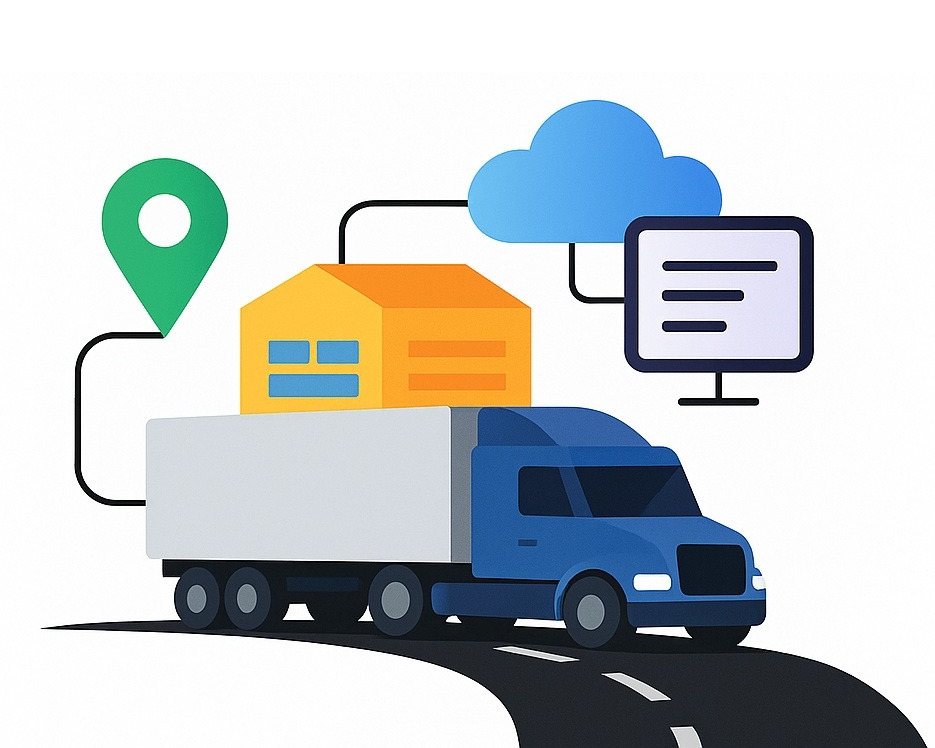
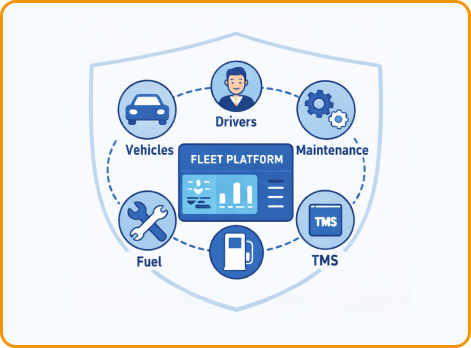
Fleet operations break down the same way every time: data lives in five tools, maintenance is reactive, compliance is a scramble, and dispatch ends up running the fleet by phone calls and guesswork. TwinCore designs and develops custom fleet management systems that pull your fleet into one operating layer: vehicles, drivers, telemetry, inspections, fuel, and maintenance workflows, all working together.

Less unplanned downtime

We implement preventive maintenance logic, service triggers, and real-time alerts so vehicles do not disappear into the repair shop without warning.

Faster dispatching and routing decisions

We unify driver, vehicle, and job status into one execution view so routing changes and priorities do not require ten manual check-ins.

Cleaner compliance and documentation

We build inspection flows, digital logs, and audit trails so documentation is generated by the process.

Better fuel efficiency and cost reporting

We connect fuel data, utilisation, and routes to reporting that shows where money leaks and why.

Fewer “where is the driver?” phone calls

We ship tracking and automated status updates that reduce calls and keep customer service aligned with operations.

A real foundation to scale operations without chaos

We build consistent workflows, permissions, and reporting so adding vehicles, drivers, and depots does not break control.

Core Capabilities of a Modern Fleet Management System

Fleet Tracking & Telematics

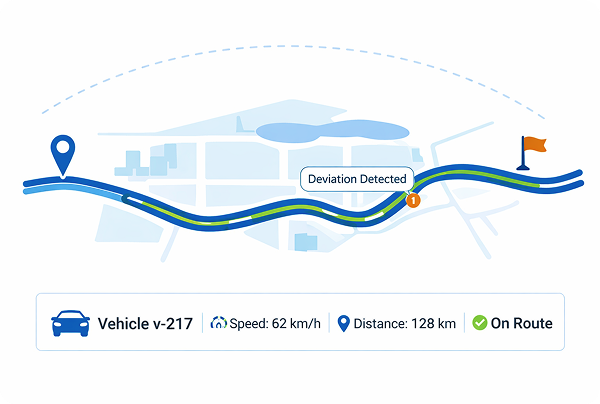
  • Build real-time tracking into your fleet system, not as a separate vendor dashboard

  • Compare actual movement to planned routes to catch deviations before they become service failures

  • Flag unsafe driving behavior and operational risk signals early

  • Aggregate telemetry that impacts cost and reliability: speed, harsh events, idling, temperature, diagnostics, and more

  • Integrate directly with telematics and IoT providers like Samsara, Geotab, Teltonika, and custom hardware

  • Pull engine metrics, temperature readings, and diagnostic codes into your own system to keep data unified and actionable

Drivers & Vehicles Management

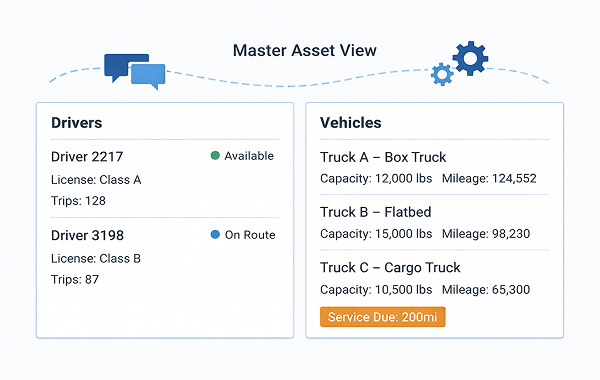
  • Centralize driver and vehicle data in one system instead of spreadsheets, inboxes, and legacy tools

  • Build driver profiles with documents, expirations, certifications, availability, and assignment history

  • Maintain full vehicle lifecycle records: specs, mileage, insurance, service history, odometer readings, and diagnostic alerts

  • Reduce dispatch slowdowns caused by missing info, outdated records, and manual verification

  • Give dispatch, maintenance, compliance, and finance a single source of truth they can trust

Inspection & Maintenance Scheduling

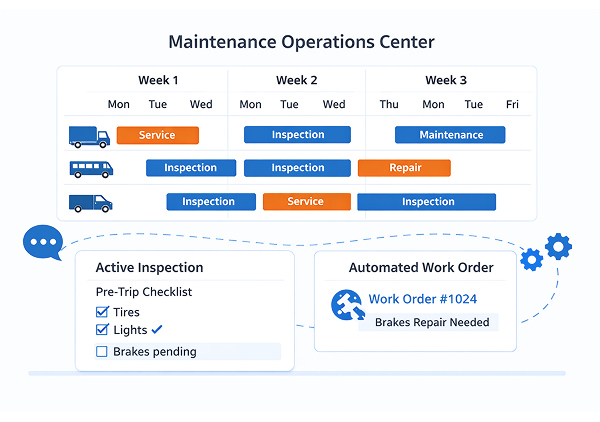
  • Implement structured inspection workflows: pre-trip, post-trip, periodic, and custom inspections

  • Standardize checklists to match local regulations and internal safety policies

  • Auto-create work orders and tasks when inspection items fail

  • Schedule maintenance based on mileage, engine hours, or time intervals

  • Cut preventable downtime by replacing reminders and PDFs with automated workflows

  • Keep every record logged, searchable, and audit-ready

Fuel & Cost Monitoring

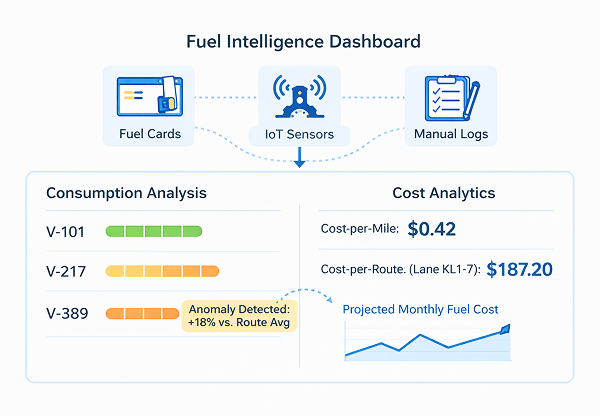
  • Integrate fuel data from fuel cards, IoT sensors, and operational logs

  • Analyze consumption by vehicle, route, and driver to expose inefficiencies early

  • Detect anomalies like spikes in usage, unauthorized refuels, and waste patterns

  • Connect fuel and fleet activity to cost-per-mile, cost-per-route, and profitability reporting

  • Give leadership clear visibility into spend drivers so cost reduction is targeted


Integrations That Keep the Entire Operation Connected

Most organizations already run a mix of systems: ERP, TMS, WMS, accounting, telematics, and carrier tools. A good fleet system doesn’t replace them. It connects them.

We design fleet platforms to integrate with:

TMS platforms

TMS platforms for dispatching, order statuses, live routes, and exceptions

GPS / telematics providers

GPS / telematics providers for real-time tracking, diagnostics, and sensor data

Accounting systems

Accounting systems like QuickBooks, Xero, and NetSuite for automated expenses and fuel logs

ERP / WMS / OMS

ERP / WMS / OMS for product, stock, and fulfillment flows

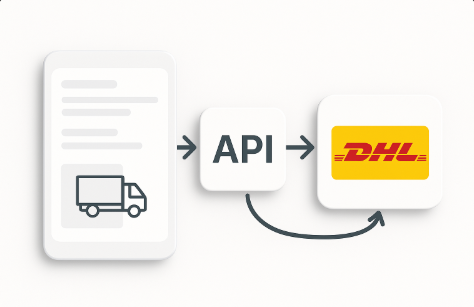
Carrier APIs

Carrier APIs, rate engines, and EDI for billing, shipment updates, and cost checks

Integrations are built around APIs and clean events, so your system doesn’t collapse whenever you add another connection.

Signs You’ve Outgrown Off-The-Shelf Fleet Tools

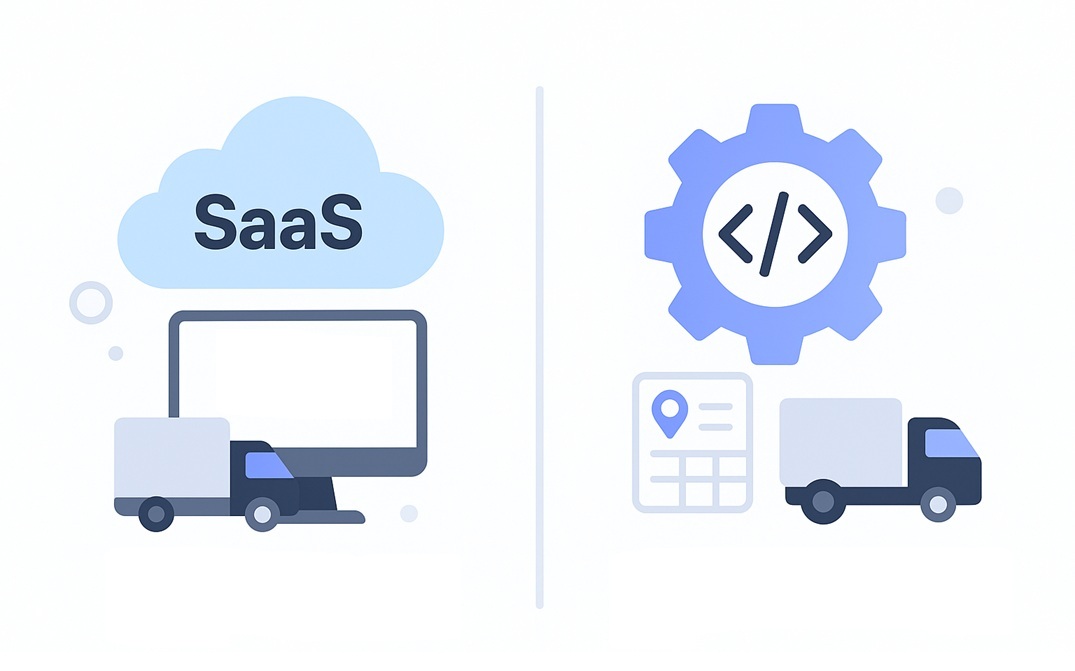
  1. SaaS pricing scales faster than your margin as the fleet grows

  2. You manage multiple vehicle types and one-size templates keep breaking your workflows

  3. Teams rely on spreadsheets, calls, and manual verification to keep operations moving

  4. Telematics data is trapped in dashboards and you cannot use it to drive decisions

  5. Compliance depends on reminders and PDFs instead of built-in workflows and audit trails

  6. Dispatch and finance disagree on costs because fleet data is inconsistent across systems

  7. You need integrated control across fleet, routing, dispatch, and TMS processes

Custom Fleet Management System Development That Scales With Your Operations

  • Systems that match your workflows.
    The software is designed around how your fleet actually runs: dispatch rules, service cycles, compliance processes, and reporting requirements.

  • The ability to expand without disruption.
    As the fleet grows, new capabilities can be added without rebuilding the system or breaking existing workflows.

  • Reliable data across operations.
    Fleet information flows directly into dispatch, routing, accounting, and logistics processes.

  • Operational control without tool sprawl.
    Teams work inside one system instead of jumping between tracking dashboards, maintenance apps, and spreadsheets.

  • Flexibility as operations evolve.
    When fleet structure, routes, or compliance requirements change, the system can adapt without forcing teams to rebuild processes from scratch.


The Modules Behind a Reliable Fleet Platform

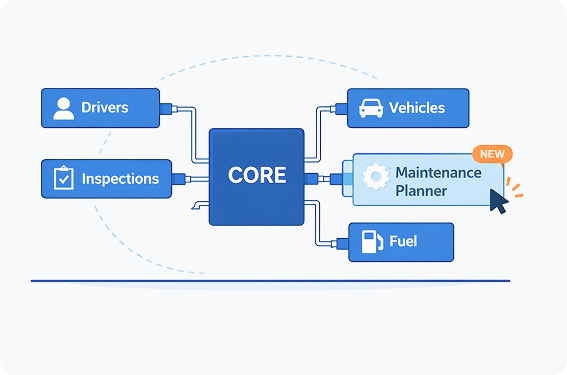
Drivers Module

Holds everything related to drivers: documents, certifications, availability, performance history, assignment logs, and compliance info. Dispatchers always know who is available, legal, and ready for the next shift.

Vehicles Module

Full vehicle lifecycle in one place. Specs, mileage, fuel type, insurance, service history, diagnostic data, and assignment history. Combined with tracking and inspections, it becomes the operational “control panel” for your fleet.

Inspection Module

Pre-trip, post-trip, periodic, or custom inspection flows. You get structured checklists, automatic flags when something fails, and visible records that your team - and regulators - can rely on.

Fuel Monitoring Module

Tracks fuel usage across vehicles, routes, and drivers. Helps detect anomalies, reduce waste, and understand true cost-per-mile and cost-per-route. Pulls data from fuel cards, IoT devices, or manual entries.

Why TwinCore for Fleet-Heavy Teams

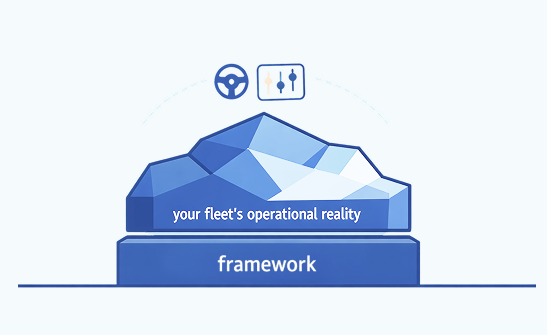
Fleet systems usually break down not because of GPS or dashboards, but because real-world operations don’t fit into generic software. Different vehicle types, driver policies, inspection rules, fuel tracking logic, and contract-level routing create complexity that ready-made platforms rarely handle cleanly.

This approach is built around that reality. The focus is on stable architecture, clear data models, and predictable system behaviour, not quick feature sprawl. The result is software that stays readable for engineers and usable for dispatchers as fleets grow from dozens to hundreds of vehicles.

The logistics framework behind this is modular by design. That means it doesn’t force “all or nothing” decisions. Systems can start simple and evolve without painful migrations or rewrites when business requirements change.

For fleet-heavy teams, the real advantage is control. Not over a vendor’s roadmap, but over how your own operational logic is designed, scaled, and extended over time.

Benefits we provide

Feature TwinCore Fleetio ChevinFleet Fleetcheck GSM taks
Vehicles number Unlimited Limited Limited Limited Limited
License Type Owner Paid Paid Paid Paid
Documents Unlimited Up to 25 GB Depends on subscription Depends on subscription Depends on subscription
Scheduling Available Available Available Available Available
Integrations Any you need Telematics systems, fuelcards, and accounting software The majority of relatable third-party services Telematics and fuel management systems CRMs and warehouse management systems
Mobile accessibility iOS and Android if necessary iOS and Android App for remote access of fleet data No app, but mobile-friendly interface A dedicated iOS/Android app for drivers
Customization Full Reports and dashboards Tailored workflows, reports, and user interfaces to suit unique operational needs Reporting and data fields Task parameters, notifications, and workflow settings to align with business processes
Support and training We can provide an ongoing support and staff onboarding Offers customer support via email and phone, along with a comprehensive knowledge base and training resources Provides extensive support options, including training programs, user guides, and dedicated account managers Offers support through various channels and provides training materials to assist users Provides customer support and access to tutorials and documentation to facilitate user onboarding

What You Can Build on Top of This

Because everything is modular and API-first, companies use the fleet platform as the foundation for bigger logistics systems:

Full TMS built over time

Leverage the core fleet data to develop a comprehensive transportation management system tailored to your specific logistics workflows.

Driver apps for routing and communication

Bridge the gap between the office and the road by deploying dedicated applications for real-time navigation and messaging.

Fuel optimization dashboards

Transform raw fuel data into actionable insights to monitor consumption patterns and reduce operational overhead.

Maintenance planning systems

Move from reactive repairs to a structured schedule that tracks vehicle health and prevents unexpected breakdowns.

Compliance and audit portals

Create centralized hubs for safety records and documentation to ensure the fleet remains fully compliant with industry standards.

Scheduling / dispatch automation

Reduce manual coordination by implementing automated triggers that assign tasks and optimize routes based on real-time availability.

Custom rate engines or cost calculators

Build specialized tools to automate complex pricing models and provide instant, accurate cost estimations for every trip.

You’re not choosing a boxed app. You’re choosing a foundation.

Running a fleet gets harder as the business grows. Costs creep up, small delays turn into big ones, and disconnected tools keep adding friction. A proper fleet platform removes that friction and gives your team control instead of chaos.

If you want software that matches your operation instead of forcing you into a template, we can help you build it - or integrate the modules you need right now and expand over time.

Ready to take control of your fleet stack?

As fleets grow, costs creep up, small delays turn into big ones, and disconnected tools keep adding friction.

A proper fleet platform removes that friction and gives your team control instead of constant reaction.

If you want fleet management software that matches how your operation actually works today - and can grow with it tomorrow - we can help design and build it, or start by integrating the modules you need most and expand from there.

Let’s talk about your fleet and see what a platform built around your reality could look like.

Contact us

Our case studies

What our clients say about us

  • TwinCore has elevated the client's customers to the next level of supply chain management. The team is highly cost-efficient from a project management standpoint, and internal stakeholders are particularly impressed with the service provider's team dynamic.

    Alex Lopatkin
    Alex Lopatkin
    Amous
  • TwinCore delivered a fully functional solution on time, meeting expectations. The highly organized team employed a DevOps approach, swiftly responded to needs and concerns, and led a productive, enjoyable workflow. Their receptiveness to client requests and feedback stood out.

    Bruno Maurer
    Bruno Maurer
    Managin Director, N-tree
  • Thanks to TwinCore’s work, the client has gained a user-friendly, stable, and scalable SaaS platform. The team manages the engagement well by being reliable and punctual; they deliver tasks on time. Their resources are also highly flexible, resulting in a truly seamless engagement with the client.

    Mischa Herbrand
    Mischa Herbrand
    Executive, CIN
  • TwinCore successfully audited the apps and converted them into modern web apps, meeting expectations. They completed the project on time and within the agreed budget. Communicating through virtual meetings, the team provided updates and responded to the client's concerns.

    JH
    Joe Holme
    IT Director, GDD Associates
  • TwinCore delivered a fully functional solution on time, meeting expectations. The highly organized team employed a DevOps approach, swiftly responded to needs and concerns, and led a productive, enjoyable workflow. Their receptiveness to client requests and feedback stood out.

    A
    Anonymous
    Managing Director, Marketing Company

Related Topics

Frequently Asked Questions


Is this a standalone fleet platform or part of a larger logistics system?

It can work either way. Many teams start with the fleet modules - Drivers, Vehicles, Inspections, Fuel - and use it as a dedicated fleet management system. Others plug these modules into a full TMS to handle routing, orders, and dispatching. The point is: you don’t have to buy into a giant monolith just to get the features you need.


Do we need to replace our telematics or GPS provider?

No. The platform doesn’t force you into specific hardware. If you already use Samsara, Geotab, Verizon Connect, or anything similar, we simply integrate with it. If you don’t have a provider yet, we can help you choose one. Your workflows stay the same - the software just finally organizes the data.


Can we start with a small set of modules and expand later?

That’s exactly how most teams do it. Some begin with Vehicles + Inspections to get maintenance under control. Others start with Fuel Monitoring and tracking. As your needs change, you add routing, order sync, rate logic, or invoicing. No migrations, no “upgrade plans,” no walls to hit.


Is the system customizable for our workflows?

Completely. This isn’t a SaaS app where you pray the vendor adds the feature you need. Each module is a real software component with its own API and domain logic, so you can adapt flows, extend logic, or integrate with internal tools without fighting limitations.


Does this work only for logistics companies?

Not at all. Any business with a fleet can use it - retail delivery, distribution, utility services, field operations, repair teams, construction fleets, and more. If you rely on drivers and vehicles, the modules fit naturally.


Scroll to top