
 LinkedIn
 Twitter
 Facebook
 Youtube


Umbraco CMS Development for Scalable .NET Content Platforms
Whether you need a new corporate website, a multi-site content hub, or an Umbraco upgrade to a supported LTS version, we focus on long-term ownership: structured content, stable integrations, and a platform your marketing and engineering teams can live with for years.

Umbraco Development Services We Offer

Custom Umbraco Website Development

Umbraco CMS Implementation

Umbraco Integrations (CRM, ERP, DAM, Search)

Umbraco Cloud Delivery & Deployment Workflow
Umbraco Upgrades & Migrations
Support, Maintenance & Performance Hardening
Custom Umbraco CMS Development Solutions
Corporate Websites & Content Platforms on Umbraco CMS
Multi-Site and Multilingual Umbraco CMS Ecosystems
Headless Umbraco CMS & API-Driven Content Delivery
Customer & Partner Portals Built with Umbraco CMS
Umbraco Migration and Upgrade Services
Legacy Umbraco versions to supported LTS releases
WordPress, Drupal, or custom CMS solutions to Umbraco CMS
Sitecore or other enterprise CMS platforms to Umbraco
Commerce and content platform migrations to Umbraco Commerce
Umbraco Tools and Add-ons We Work With
Umbraco CMS & LTS Version Strategy
Umbraco Cloud & Deployment Workflows
Headless Umbraco & API-First Architectures
Umbraco Commerce & Data Integrations
Engineering, Performance & Security Practices
Industries We Build Umbraco CMS Solutions For


Umbraco CMS in a Modern .NET Technology Stack
.NET-Centric Architecture from the Start
Clean Content Architecture with Strong Separation of Concerns
API-Ready and Integration-Friendly by Design
Flexible Rendering: Traditional, Headless, or Hybrid
Stable Upgrades and Long-Term Support Strategy
Cloud and On-Premise Deployment Compatibility
How an Umbraco Development Project Works at TwinCore


Our case studies
-
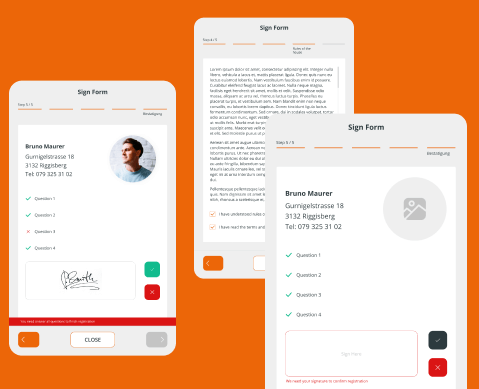 Kiosk Registration System with Certificate Printing & QR Code Verification | Case StudyTerminals is an innovative application developed to streamline the user registration process, leveraging a hybrid approach with cutting-edge technologies. Designed from scratch, the project focuses on delivering a seamless experience for users in Switzerland, allowing them to complete registration forms, generate certificates, and perform verification processes efficiently.
 -
 Custom Innovation Management & Collaboration PlatformCase study of Cross-Innovation Network, a closed CRM and custom CMS SaaS that lets teams model datasets, invite contributors, and turn complex data into clear insights.
 -
 Real-Time Load Board for Carriers and Freight BrokersCase study of a real-time load board that connects carriers and brokers, adds order tracking, predictive demand analytics, and secure payments for a US logistics firm.
What our clients say about us
-
TwinCore has elevated the client's customers to the next level of supply chain management. The team is highly cost-efficient from a project management standpoint, and internal stakeholders are particularly impressed with the service provider's team dynamic.
 Alex LopatkinAmous
 -
TwinCore delivered a fully functional solution on time, meeting expectations. The highly organized team employed a DevOps approach, swiftly responded to needs and concerns, and led a productive, enjoyable workflow. Their receptiveness to client requests and feedback stood out.
 Bruno MaurerManagin Director, N-tree
 -
Thanks to TwinCore’s work, the client has gained a user-friendly, stable, and scalable SaaS platform. The team manages the engagement well by being reliable and punctual; they deliver tasks on time. Their resources are also highly flexible, resulting in a truly seamless engagement with the client.
 Mischa HerbrandExecutive, CIN
Related Topics
-
 React + .NET: Building Full-Stack Web Applications That Scale
Learn how React + .NET power scalable full-stack applications. From real-time dashboards...
Read more -
 Fix performance issues in .NET applications
Discover expert tips to speed up your .NET applications — from memory optimization to...
Read more -
 When Blazor Is the Right Choice for You — And When It’s Not
Explore when Blazor makes sense for your app — from enterprise dashboards to C# fullstack...
Read more -
 Deploying and Scaling .NET Microservices on Kubernetes and Azure: The Unfiltered Guide
A practical guide to deploying .NET microservices using Kubernetes and Azure. Learn...
Read more -
 Monolith to Microservices in .NET: A Step-by-Step Migration Strategy
Break down your .NET monolith with a clear microservices migration strategy. Discover...
Read more -
 How to Hire a .NET Developer: A Complete Guide
Learn how to hire a .NET developer, including essential skills, hiring platforms, and why...
Read more


Frequently Asked Questions
Yes. Umbraco is built on ASP.NET Core and fits naturally into the .NET ecosystem. It’s a strong option when you want a CMS that integrates cleanly with existing .NET services, authentication, APIs, and Microsoft infrastructure without introducing an additional technology stack.
Migrating to Umbraco CMS makes sense when your current CMS limits flexibility, creates technical debt, or doesn’t align with your .NET architecture. Typical reasons include the need for better content structure, multi-site management, long-term maintainability, or deeper integration with business systems.
Yes, when it’s architected properly. Umbraco CMS is used for enterprise websites, content platforms, and multi-site ecosystems. Scalability depends less on the CMS itself and more on content modeling, caching strategy, hosting setup, and integration design — all of which we address during implementation.
Both. We work with Umbraco Cloud for teams that want managed infrastructure and streamlined deployments, and with self-hosted Umbraco for projects that require custom infrastructure, on-premise hosting, or specific compliance and security constraints.
You do. All source code, content models, and configurations belong to the client. We deliver an Umbraco CMS setup that supports ongoing development and content work without vendor lock-in or hidden dependencies.
